
I caught myself gasping for air as the small boat wades through the calm sea. It must have been excitement or nostalgia, I couldn't tell exactly. In front of me, I see patterns of hues fluttering and dancing with the gentle sea breeze. And as the afternoon sunlight slightly touches my skin, the great feeling of riding a vinta never escaped me.
You know that feeling when you come face to face with one of
your childhood dreams? You relive the sensation of wanting that to happen? That's how it has been for me since I started traveling around the
Philippines. The feeling of excitement never gets old whenever I come close to a scenic spot that I have so raved
for and seen straight from the pages of my Sibika and Kultura books back in
grade school.
And experiencing the vintas of Zamboanga was definitely not
an exception. The sight of the sail with assorted vertical color which is in the center
stage of Zamboanga seascape lingered. So in my recent visit
to Mindanao, riding one of the vintas was on top of my must-do list.
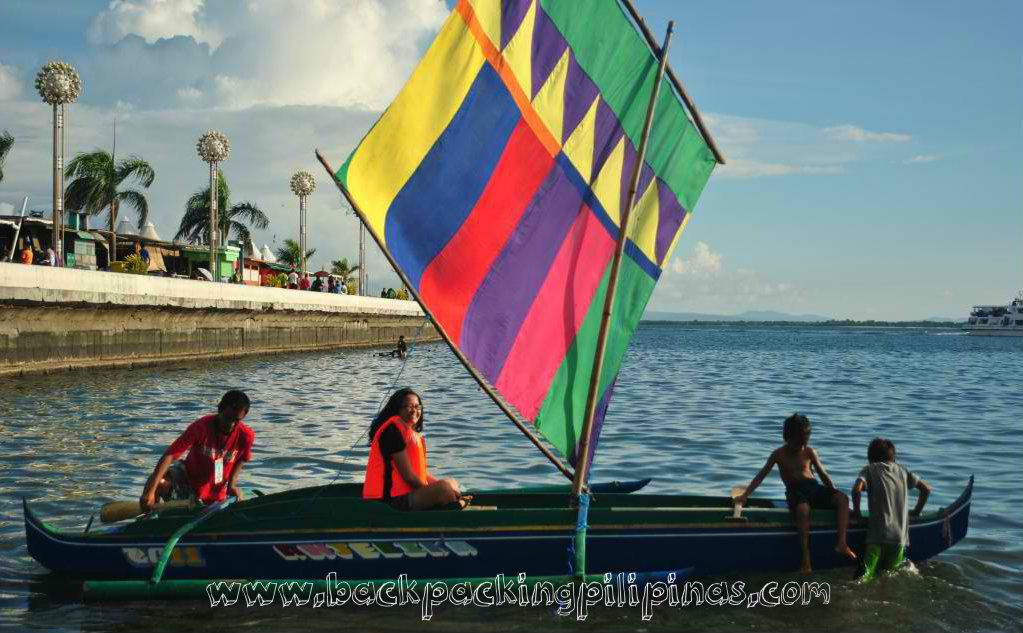 |
| Aboard one of the vintas |
Along with my perpetual travel buddies, Cha and Janet, we
arrived in Zamboanga on a humid August afternoon. Upon touchdown, first thing I
noticed was the unique design of the airport which deviates from the usual terminal buildings I saw around the country. It's one of the airport terminals
where you would want to be photographed in because of the design of
the facade.
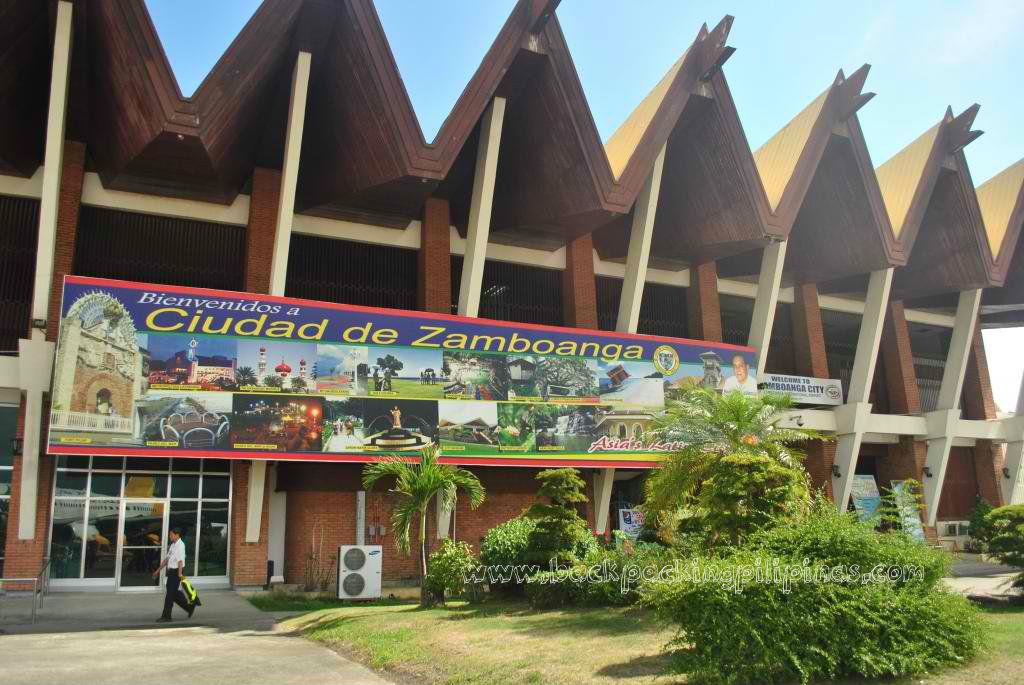 |
| Zamboanga International Airport Terminal |
Zamboanga City is known as Asia's Latin City. Nowhere in the
Philippines have the imprints left by Spain after its three-century rule ever
more felt. From the local language to unique heritages to its many quaint
structures, there's always this Hispanic influence comfortably blending in. As the only city
in the Philippines and in Asia that speaks the Spanish-derivative Chavacano (60
percent Espanol and 40 percent native words), this old city is what they call "a place
plucked from the very heart of Spain."
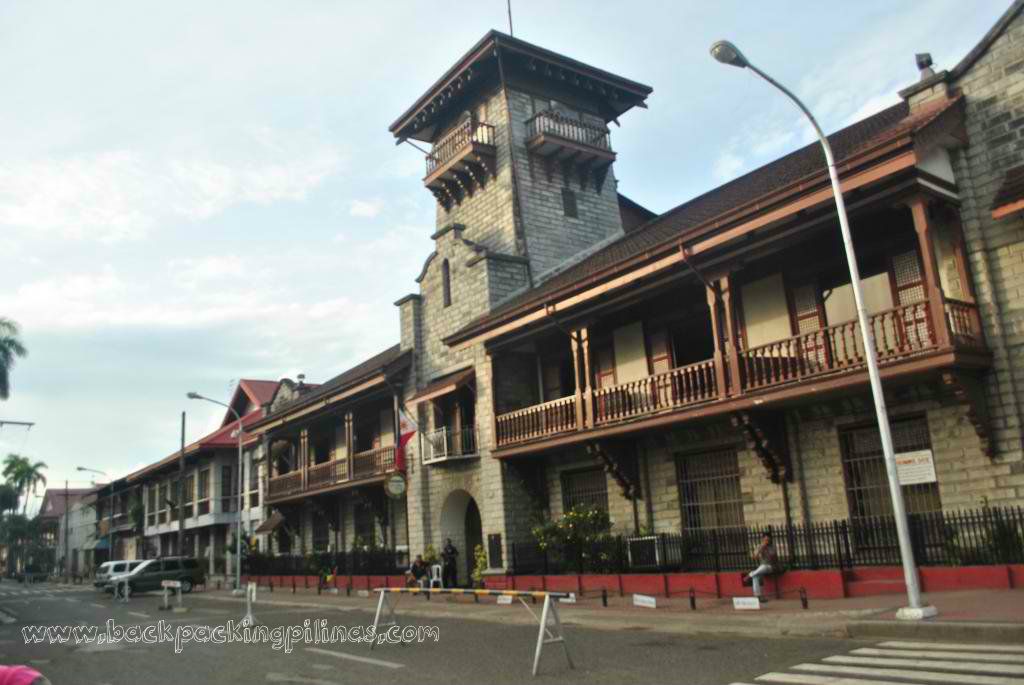 |
| Zamboanga City Hall |